1. About Progressive Cavity Pump
Progressing Cavity Pumps (PCP) are high-quality, reliable and efficient pumping solutions designed for a wide range of applications. Known for their rugged construction and precise technology, these pumps are ideal for industries such as wastewater treatment, pulp and paper, chemical processing, food and beverage, and more.
With their unique design, these pumps provide continuous flow with low pulsation, unaffected by pressure and viscosity fluctuations. They are also self-priming and capable of handling high solids and abrasive materials. Easy to maintain and available in a variety of sizes and configurations, these pumps can be tailored to meet specific requirements.
Progressing cavity pumps are rotary positive displacement pumps used to transfer liquids. The technology behind these pumps lies in the unique design of the pump components, which essentially consist of an eccentrically rotating screw called a rotor and a stationary stator.
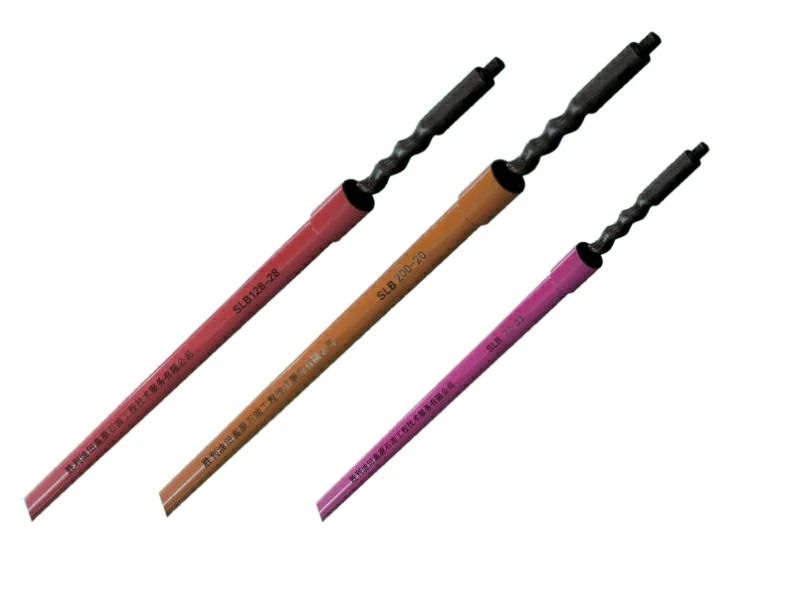
The ROTOR, made of steel or stainless steel, is often referred to a helical shaped screw with a defined pitch. The STATOR has a complementary helical geometry and has always one thread more than the rotor and is usually made of a flexible elastomer vulcanized into a metal tube. As the rotor rotates inside the stator, it creates sealed cavities that move from the suction to the discharge end of the pump, allowing the fluids to be pumped.
PCP technology provides a constant flow rate proportional to speed, regardless of the pumping pressure. This makes it an excellent product for applications involving high-viscosity, solid-laden or shear-sensitive fluids.
Another feature of progressive cavity pumps is their ability to handle fluids of varying viscosities, from aqueous to nearly solid. They can also handle aggressive, corrosive and abrasive fluids and overcome high system pressures, making them suitable for a wide range of industries, including oil and gas, mining, food processing and wastewater treatment.
Progressing Cavity pump technology offers energy efficiency advantages because the pumping process has minimal internal slippage and turbulence, reducing energy losses. The pumps can also operate at relatively low speeds, which reduces wear and extends pump life. Another advantage of the low speeds, combined with the resulting pumping chambers, is that the pumped media are conveyed extremely gently and without shear effects. The fluids remain homogeneous and there is no turbulence or swirling.
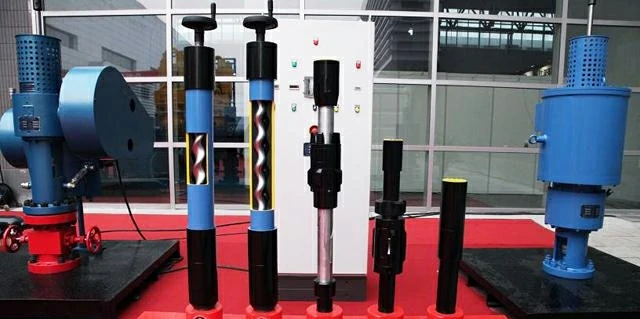
Progressive Cavity Pump (Highland PCP) Structure
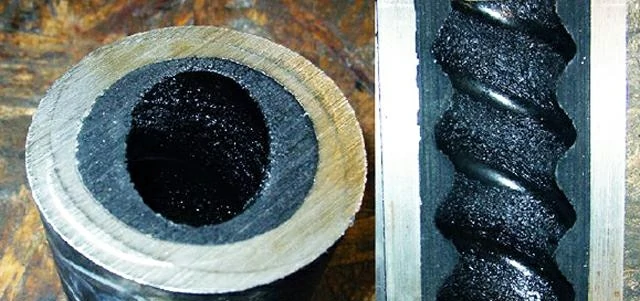
The stator of the progressive cavity pump (Highland PCP) is cast with nitrile rubber lining and bonded inside the steel casing
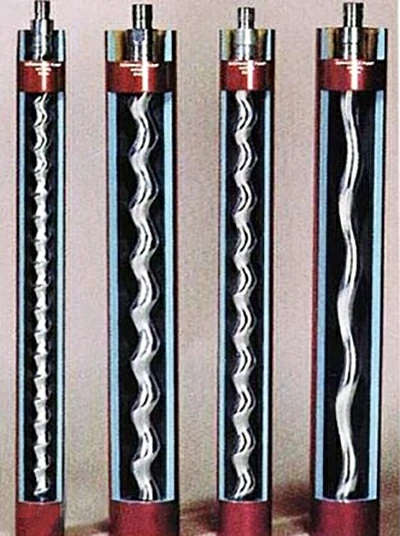
The rotor of the progressive cavity pump(Highland PCP) is quenched and tempered with alloy steel and treated with anti-corrosion and wear-resistant measures. The rotor rotates inside the stator to achieve suction function.
2. Working Principle of Progressive Cavity Pump (Highland PCP)
Along the progressive cavity pump(Highland PCP), multiple sealed chambers are formed between the outer surface of the rotor and the inner surface of the stator rubber liner.
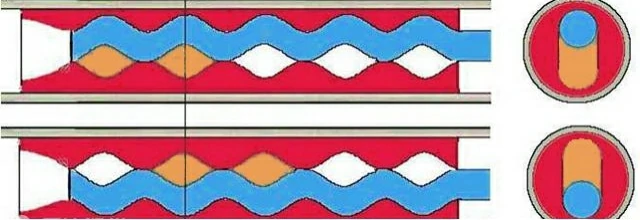
The medium is sucked in by the pressure difference at the suction end, and as the rotor rotates, it gradually passes through various sealed chambers and is constantly pushed to the discharge end.
The essence of progressive cavity pump(Highland PCP) operation is the continuous formation, displacement, and disappearance of the sealed chamber.
3. Components of Surface Drive Progressive Cavity Pump (Highland PCP) Artificial Lift
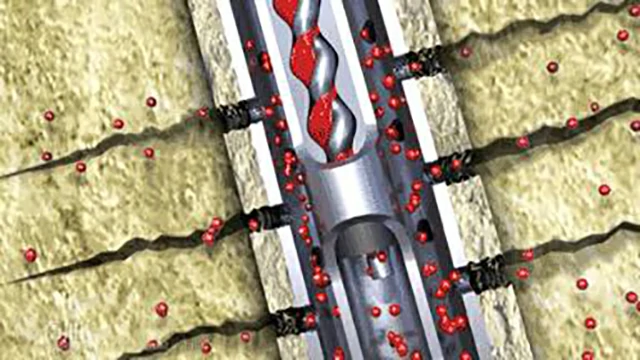
Progressive cavity pump(Highland PCP) artificial lift is the method of using a progressive cavity pump(Highland PCP) to lift high viscosity, gas containing, and sand containing crude oil.
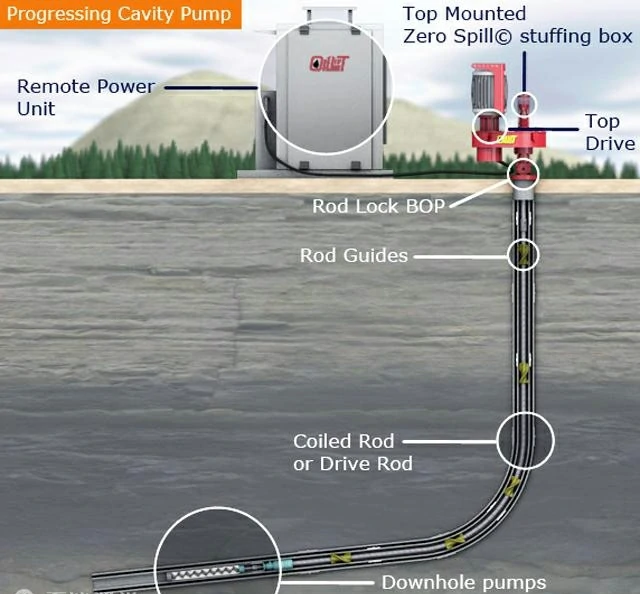
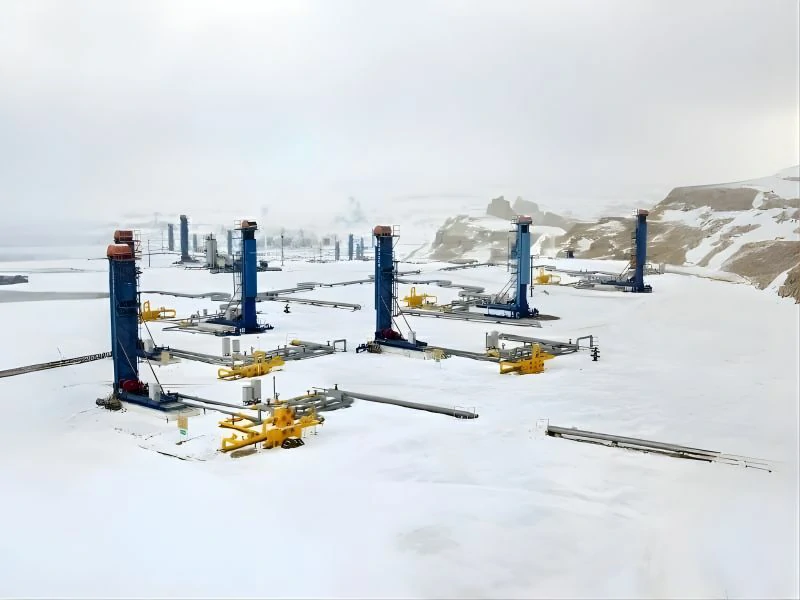
The progressive cavity pump(Highland PCP) is located underground, while the power supply device is located above the ground, and the two are connected by a pumping rod. The use of sucker rods to transmit the torque required by progressive cavity pump(Highland PCP)s makes it difficult to achieve deep well oil recovery under high displacement conditions.
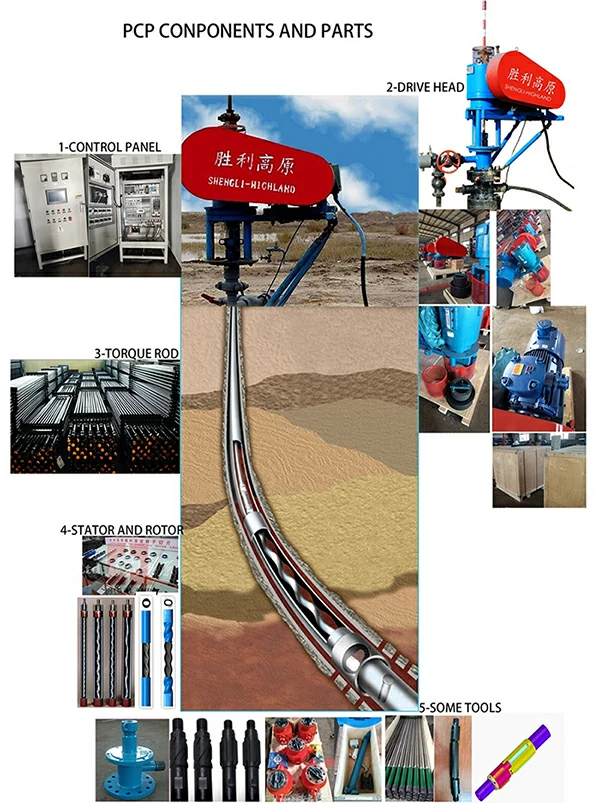
The composition of the surface drive progressive cavity pump(Highland PCP) oil production system includes the surface drive part, downhole part, electronic control part, and supporting tools
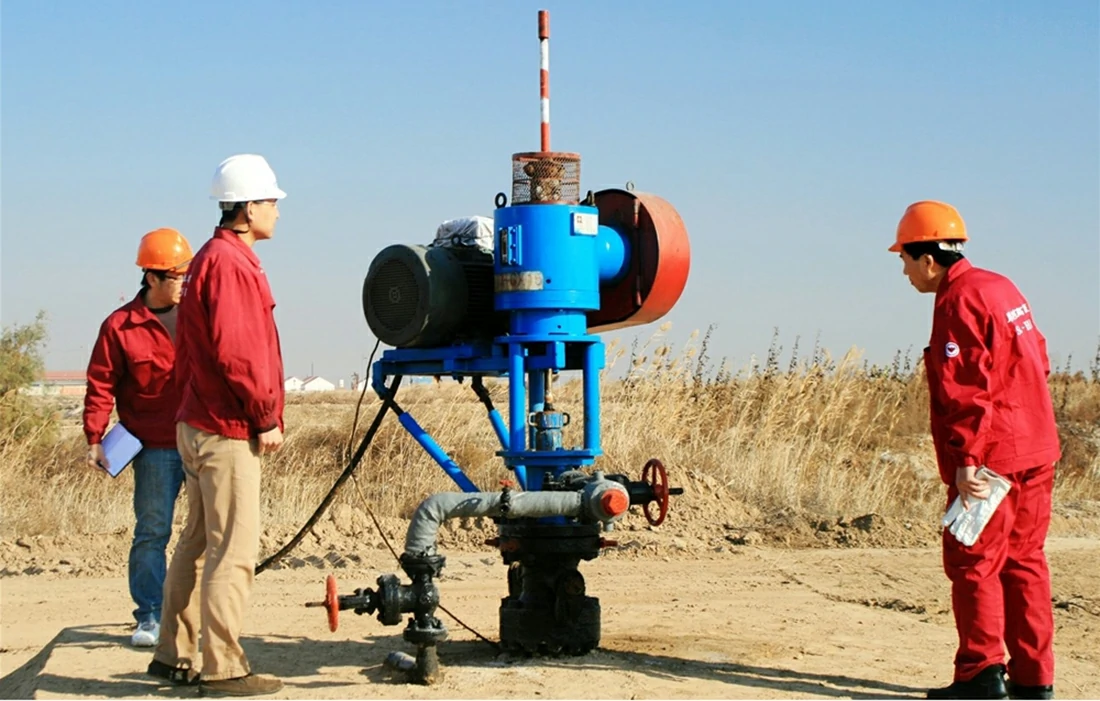
Surface Drive Parts
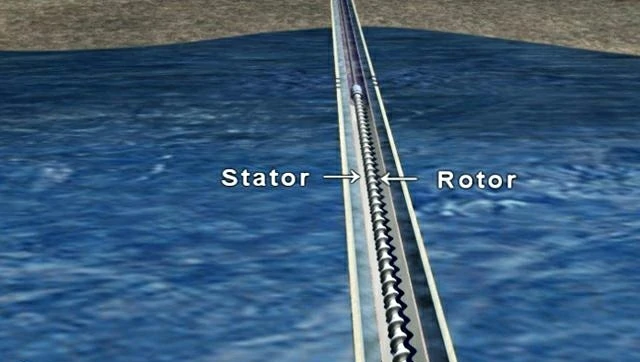
Downhole Parts: Sucker Rod, Stator, Rotor, and Tools
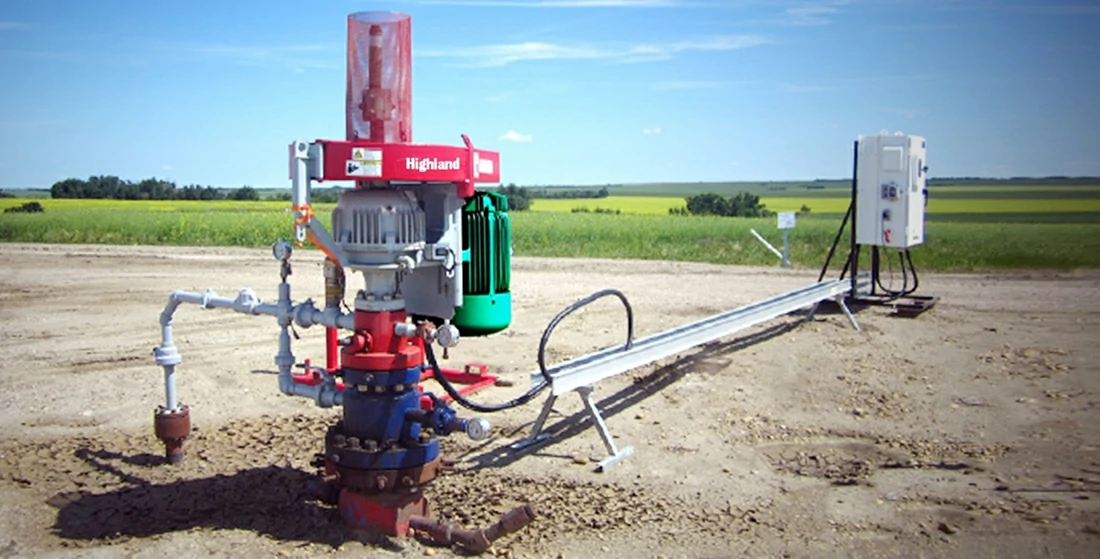
Electrical Control Section
4. Characteristics Of Progressive Cavity Pump (Highland PCP) Artificial Lift
Compared with other mechanical artificial lift methods, progressive cavity pump(Highland PCP)s have the advantages of both positive displacement pumps and centrifugal pumps. As an artificial lifting method, it has the following advantages:
(1) Progressive cavity pump(Highland PCP)s have fewer moving parts, simple structure, and small one-time investment.
(2) Progressive cavity pump(Highland PCP)s can continuously lift media, with stable load during operation, low mechanical losses, and high efficiency. They are one of the most energy-efficient and efficient methods in mechanical oil recovery.