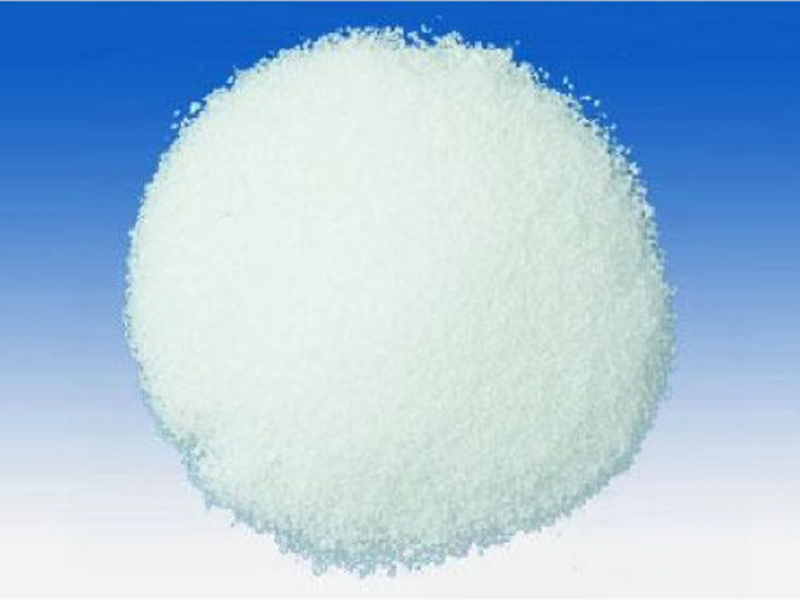
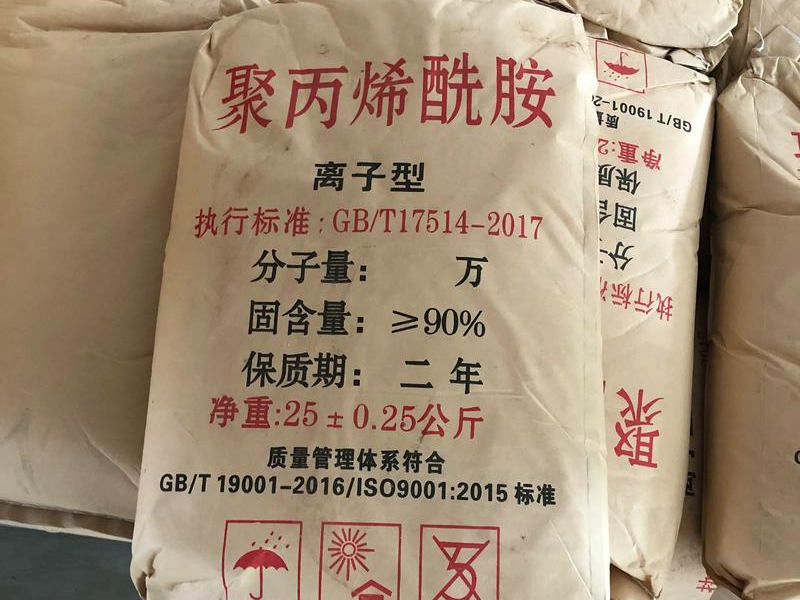
Features and performance
Flocculation: It can neutralize suspended matter through electricity and achieve flocculation.
Adhesive properties: Adhesive properties can be achieved through mechanical, physical, and chemical means.
Resistance reduction: It can effectively reduce the frictional resistance of fluids, and adding a small amount of PAM to water can reduce resistance by 50-80%.
Thickening: PAM has a thickening effect under both neutral and acidic conditions. If the pH value is above 10, PAM is prone to hydrolysis. When forming a semi mesh structure, thickening will be more pronounced
Applications
PAM is an important water-soluble polymer that possesses properties such as flocculation, thickening, shearing, drag reduction, and dispersibility. These properties have different emphases depending on the derivative ions. Therefore, it is widely used in various sectors such as oil extraction, mineral processing, coal preparation, metallurgy, chemical industry, papermaking, sugar production, medicine, environmental protection, building materials, and agricultural production.
Usage
- Granular polyacrylamide flocculant cannot be directly added to wastewater. It must be dissolved in water before use.
- The water used to dissolve granular polymers should be clean tap water, not sewage. Generally, tap water is suitable for preparing polymer solutions. Strong acid, strong alkali, and high salt water are not suitable for preparation. Normal temperature water is sufficient and generally does not require heating. Dissolve slowly when the water temperature is below 5 ° C. The increase in water temperature accelerates the dissolution rate, but temperatures above 40 ° C will accelerate the degradation of polymers, affecting their effectiveness
- The recommended concentration of polymer solution is 0.1% -0.3%, which means adding 1g-3g of polymer powder to 1 liter of water.